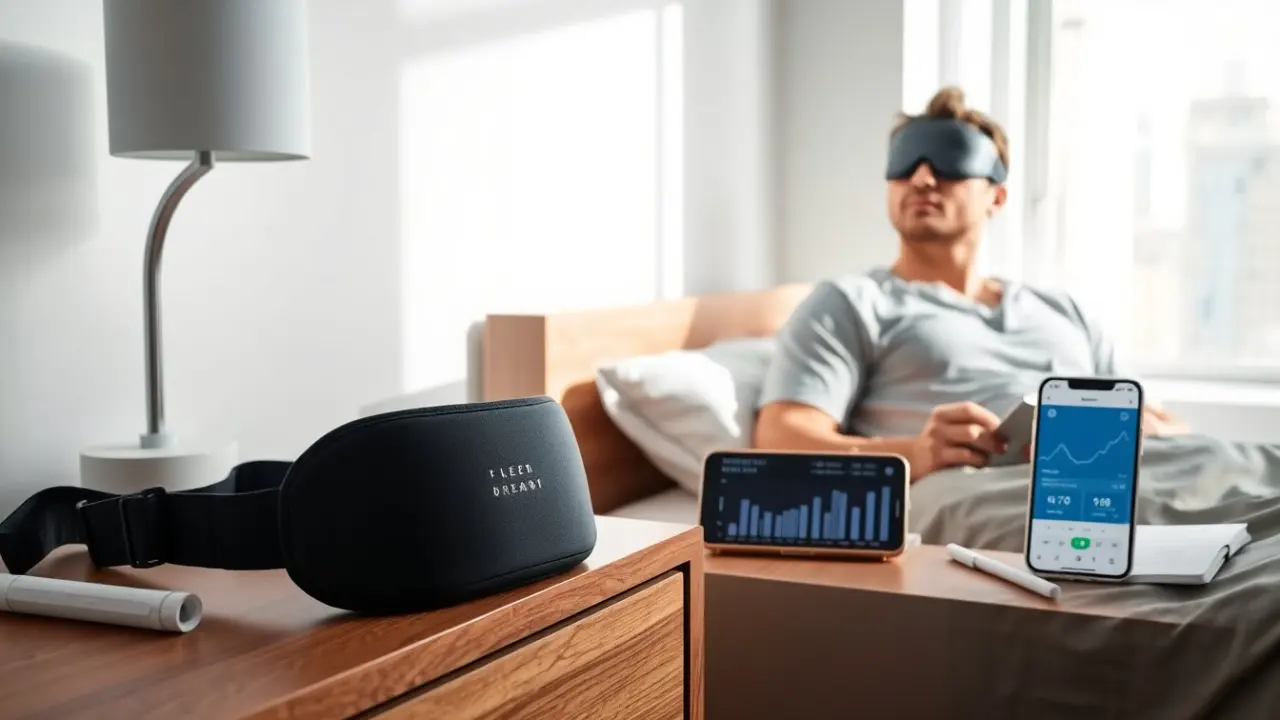
The best lucid dream mask helps a sleeper recognize dreams and gain control. It uses gentle light cues and timing to signal REM sleep. The device fits over the eyes and detects sleep stages. The reader will learn who benefits, what features matter, and which mask types suit different goals.
Key Takeaways
- The best lucid dream mask accurately detects REM sleep and uses gentle light cues to trigger dream awareness without disrupting sleep.
- Key features to consider include detection accuracy, adjustable cue control, comfortable fit, long battery life, and supportive companion apps with clear data.
- Different mask types suit different needs: light-cue masks for simplicity and cost, sleep-tracking masks for detailed data, and hybrid masks for adaptive, higher success rates.
- Users should commit to consistent use for at least three weeks, keeping a dream journal to track progress and optimize cue intensity and timing.
- Choosing the best lucid dream mask depends on balancing light sensitivity, data needs, budget, and ensuring clear instructions and reliable customer support.
How Lucid Dream Masks Work And Who Benefits From Them
How lucid dream masks work and who benefits from them
A lucid dream mask detects REM sleep and delivers light cues. The mask reads eye movements or uses actigraphy to estimate sleep stages. It then flashes low-intensity LEDs at intervals. The brain registers the cue and may trigger awareness within a dream. Researchers and hobbyists use the mask to increase lucid dream frequency.
A beginner will gain more attempts per week with consistent use. A student of dreams will track patterns and adjust cue timing. A person who wants creative problem solving will use the mask to test ideas inside dreams. A clinician may pair the mask with journaling for patients who wish to reduce nightmare frequency. The masks suit people who can tolerate mild light during sleep and who do not have severe light sensitivity.
The best lucid dream mask reads sleep signals accurately. The best lucid dream mask times cues to align with REM cycles. The best lucid dream mask fits comfortably and stays on all night. A buyer should expect some nights without results and some nights with strong lucidity.
Beyond basic operation, masks differ in how they detect REM: some use infrared sensors aimed at the closed eyelids to pick up rapid eye movements, others infer REM from motion and heart-rate patterns. That distinction matters because direct eye-movement sensing tends to deliver cues closer to true REM, while actigraphy-based devices can be better at conserving battery and reducing false positives in restless sleepers.
Who benefits most: casual users often prefer light-cue masks for an easy introduction, creative professionals may benefit from masks that reliably produce short lucid windows for targeted rehearsal, and people working on nightmare reduction should use masks as part of a broader program that includes CBT techniques and journaling. Note that people with certain sleep disorders, photosensitivity, or epilepsy should consult a clinician before using a light-cue device.
Key Features To Look For When Choosing A Lucid Dream Mask
Key features to look for when choosing a lucid dream mask
Detection accuracy: The device should use reliable sensors. Eye-movement sensors or validated algorithms reduce false cues. A buyer should prefer devices with published validation or consistent user reports.
Cue control: The mask should allow adjustment of light intensity, flash duration, and cue timing. A user will need lower intensity at first. A user will increase intensity only if sleep remains undisturbed.
Fit and comfort: The mask must sit firmly without squeezing the face. Lightweight materials and padded straps help. The mask should not block normal breathing or press the eyelids painfully.
Battery life and charging: The battery should last through the night. The mask should charge quickly and show clear battery status. A buyer will prefer USB-C or a standard charger.
Companion app and data: A paired app helps review sleep stages and cue timing. The app should present clear graphs and simple settings. The app should export sleep logs for long-term review.
Safety and sleep quality: The product should not reduce overall sleep time. The mask should include a low-disruption mode. The maker should list contraindications and basic safety tips.
Price and support: The mask should offer good warranty and responsive support. A buyer should compare returned-item rates and customer reviews. The best lucid dream mask balances cost and reliable results.
Additional practical features to weigh: replaceable or washable liners, firmware upgrade capability, and the ability to program daytime reminders or reality-check prompts are useful. For frequent travellers, a compact travel case and reliable international charging options matter. For users tracking progress, look for exportable CSVs or cloud sync rather than locked-in proprietary logs.
When assessing accuracy claims, read multiple user reports and support documentation. A well-documented product will explain how it distinguishes REM from quiet wakefulness and how it avoids delivering cues during brief arousals. If you rely on published validation, ensure the methods resemble real-world sleep (home rather than lab-only studies).
Best Mask Types And When To Use Each (With Practical Pros & Cons)
Best mask types and when to use each (with practical pros & cons)
Light-cue masks deliver timed flashes during REM sleep. They rely on simple detection and low-power LEDs. Pros: They remain lightweight and simple to use. They cost less and act fast. Cons: Light cues may wake a light sleeper. They may miss short REM episodes.
Sleep-tracking masks record detailed sleep stages and provide data for later review. They use more sensors and stronger processors. Pros: They give a clear picture of REM timing and trends. Cons: They add weight and raise price. They may need nightly charging.
Hybrid devices combine precise tracking with adaptive cue timing. They learn the sleeper’s pattern and adjust cues automatically. Pros: They increase cue accuracy over time. They tend to yield more lucid nights for persistent users. Cons: They cost more and need a learning period.
A person who wants a simple start should choose a light-cue mask. A person who wants data will pick a sleep-tracking mask. A person who aims for steady progress will prefer a hybrid device.
Practice considerations: whichever mask type you choose, plan for an adjustment phase. For the first week, use conservative cue intensity and review sleep reports each morning. Combine mask use with reality checks during the day, intention setting before sleep, and a structured dream journal — these behavioral steps greatly increase the odds that a light cue will translate into a lucid response.
Recommended Mask Categories: Light-Cue, Sleep-Tracking, And Hybrid Devices
Recommended mask categories: Light-cue, sleep-tracking, and hybrid devices
Light-cue category
The light-cue option suits a user who wants a low-cost, low-complexity tool. The light-cue mask sits lightly on the face and flashes during REM. A user will set intensity to avoid waking. The best lucid dream mask in this category will balance brightness and timing and will include simple sleep detection.
Sleep-tracking category
The sleep-tracking option suits a user who wants data and repeatable results. The sleep-tracking mask logs sleep stages and shows REM windows. A user will use the log to set cue windows manually. The best lucid dream mask in this category will show clear REM detection and exportable logs.
Hybrid category
The hybrid option suits a committed user who wants higher success rates. The hybrid mask adapts cue timing across nights. It aims to hit REM more often and to reduce false positives. The best lucid dream mask in this category will offer robust tracking, customizable cues, and a comfortable fit.
A buyer should test one mask type for at least three weeks. A buyer should keep a dream journal to measure progress. A buyer should adjust cue intensity slowly and record sleep quality. A consistent routine will help the mask work as intended.
Practical checklist before buying: 1) Confirm the mask size and strap adjustability to avoid pressure points; 2) Verify charging method and estimated nights per charge; 3) Inspect app screenshots or demos to ensure settings are transparent; 4) Check return window and warranty for at least 30 days so you can trial it in your home environment.
Troubleshooting common issues: if cues wake you, reduce intensity or shorten flash duration; if cues are missed, try a mask with direct eye-movement sensing or tighten fit slightly; if sleep quality drops, pause use for several nights and consult product safety guidance. Keep a simple daily log that records cue settings, sleep quality (1–5), and whether a lucid dream occurred to spot patterns quickly.
Maintenance and long-term use: clean removable pads weekly, keep firmware up to date, and replace straps when elasticity declines. Long-term success with any device often depends as much on the user’s daytime habits (sleep schedule, caffeine, pre-sleep routine) as on hardware features.
The best lucid dream mask will match the user’s tolerance for light, need for data, and budget. The best lucid dream mask will arrive with clear instructions and a reliable return policy.