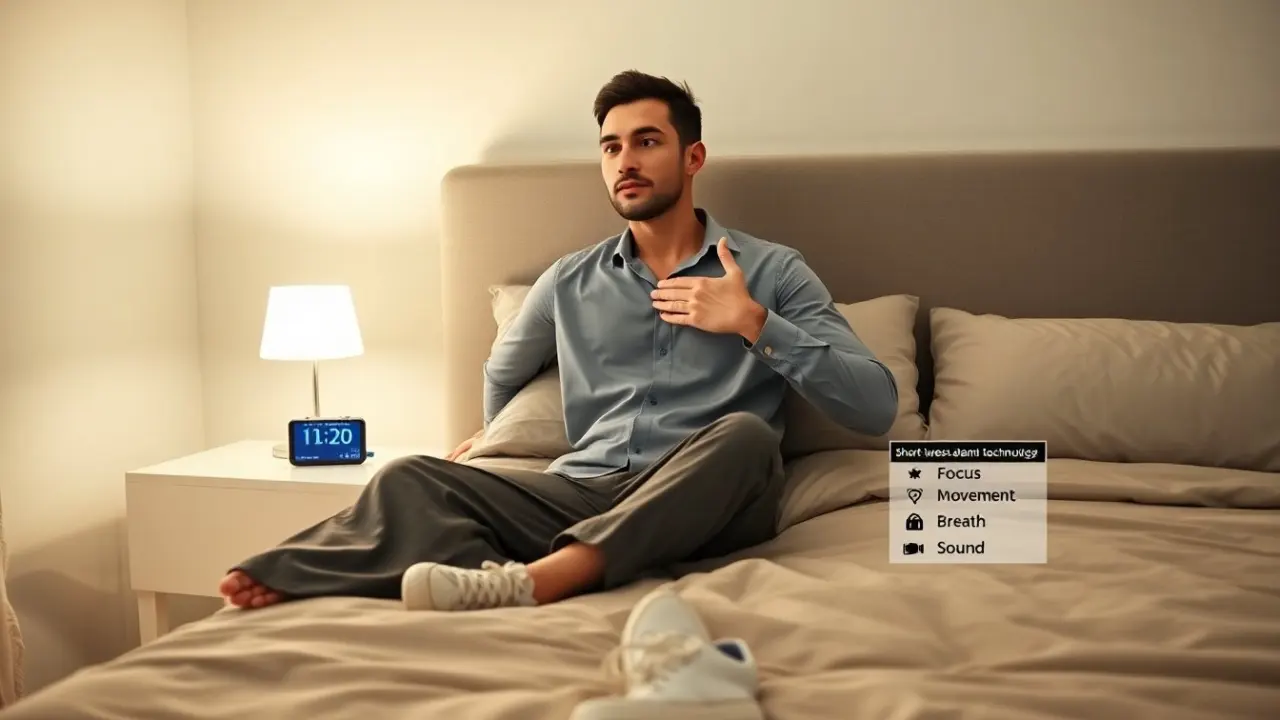
how to wake up from a lucid dream is a common question after intense dreaming. The reader may feel trapped or want to end the dream quickly. This article lists direct steps. Each step explains a clear action and expected effect. The tone stays practical. The goal is fast, safe waking without confusion.
Key Takeaways
- How to wake up from a lucid dream involves using focused techniques like moving a finger, controlling breath, or creating sound to shift brain state successfully.
- Setting an intention before sleep and practicing wake-up phrases during the day can improve your ability to end lucid dreams when desired.
- Combining methods, such as slow breathing with movement toward a visual anchor while repeating a wake command, speeds the transition to wakefulness.
- Using gradual alarms and maintaining good sleep hygiene help reduce distressing lucid dreams and support smoother waking experiences.
- Seek professional help if lucid dreaming causes frequent panic, insomnia, or daytime impairment to ensure safety and mental health.
- Prioritize safe, gentle actions over abrupt movements to wake up quickly without causing shock or confusion.
Why You Might Need To Wake From A Lucid Dream — Risks And Benefits
Some people seek how to wake up from a lucid dream to stop anxiety. Others want to escape a nightmare that feels real. Lucid dreaming can offer creative thought and rehearsal for tasks. Lucid dreaming can also cause sleep fragmentation and morning grogginess. If a person feels panic in the dream, waking helps reduce acute stress. If a person uses lucid dreaming to practice skills, staying asleep can help rehearsal. A person should weigh the benefit of skill practice against the cost of poor sleep. If waking preserves safety or mental calm, it is the right choice. If the dream is pleasant and the person has time to sleep, staying asleep can aid mood and memory.
Quick, Reliable Techniques To Wake Yourself (Step‑By‑Step)
Method 1: Focus on a fixed sound. A person names a loud, distinct sound in the dream. The person listens for that sound and then calls it out. This sharpens awareness and often moves attention toward the body.
Method 2: Move a finger or toe. The person imagines one finger and then moves it. The brain links the imagined action to the body and invites sensory feedback. Small motion often breaks the dream state.
Method 3: Control the breath. The person counts three short inhales and exhales. The person slows each breath and feels chest movement. The rise and fall of breath pulls attention inward and toward waking.
Method 4: Create a loud noise. The person shouts a single word in the dream. A loud vocalization can trigger muscle activation and wake the sleeper.
Method 5: Blink rapidly. The person forces several quick blinks. The eyelid movement can trigger light sensitivity and lead to waking.
Method 6: Fall or jump within the dream. The person deliberately drops from a small height or jumps forward. The vestibular shock often causes the brain to register real motion and then wake up.
Method 7: Repeat a wake command. The person mentally repeats a short command such as “wake now.” Repetition trains the mind to link the phrase to a transition out of the dream.
Each step uses attention, movement, or sound to change brain state. A person may try methods in order. If one method fails, the person tries the next. The goal is a gentle, quick shift to wakefulness without panic.
Specific Methods: Focusing, Movement, Breath, Sound, And Visual Anchors
Focusing: The person chooses a simple image, like a clock. The person stares at that image until the scene blurs. Blurring causes the brain to drop the dream overlay.
Movement: The person attempts isolated movement, such as wiggling a toe. The person keeps attention on the moving part until physical sensation appears.
Breath: The person inhales for two counts and exhales for two counts. The person repeats this cycle. Controlled breath increases thoracic feedback and aids waking.
Sound: The person makes a single, loud sound in the dream. A sharp sound recruits neck and throat muscles and often leads to waking.
Visual anchors: The person fixes on bright light or a doorway. The person then reaches toward that anchor and tries to touch it. Reaching produces proprioceptive signals that help end the dream.
A person can combine anchors. For example, the person breathes slowly while moving a finger toward a bright light and saying “wake now.” Combining channels speeds the shift to wakefulness.
Prepare Ahead: Practices That Make Waking Easier And When To Seek Help
Set an intention before sleep. The person states a clear aim such as “I will wake if I feel fear.” Intentional cues increase the chance of successful waking. Practice a wake phrase during daytime meditation. The person repeats the phrase and then opens their eyes. This conditions the phrase to trigger waking.
Use alarms with gradual sound. A soft alarm that rises in volume can bridge dream to wake without shock. The person places the alarm near the bed to increase auditory clarity.
Improve sleep hygiene. The person keeps a steady sleep schedule and avoids stimulants late in the day. Better sleep reduces intrusive lucid episodes that cause distress.
Seek help when waking fails often or causes panic. A person should contact a sleep specialist if lucid dreams lead to persistent insomnia or daytime impairment. A person should seek mental health support if dreams cause lasting anxiety or trauma.
Practice safe techniques. The person avoids abrupt, risky actions such as jumping from high dream heights that could cause shock. The person uses small, controlled moves and sound. Over time, the person learns which safe methods work best and uses them reliably.