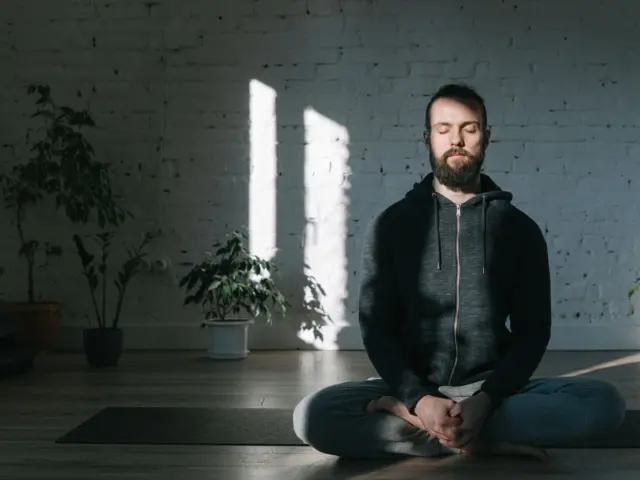
Mindfulness exercises for teens help reduce stress and improve focus. This article gives clear practices teens can use at home, at school, or on the go. It shows simple steps, short routines, and practical tips. Parents and educators can use these exercises to support teens’ emotional health and attention. The sections that follow explain why mindfulness works for adolescents, provide three quick exercises that fit into a busy day, and offer realistic strategies for making practice part of family, school, and personal routines.
Key Takeaways
- Mindfulness exercises for teens reduce stress, improve focus, and are supported by research showing benefits like lowered cortisol and better attention.
- Short mindfulness practices, such as breathing exercises, body scans, and grounding, can be done anywhere in five minutes or less.
- Consistent daily mindfulness routines enhance self-awareness and decision-making while helping teens manage anxiety and social pressure.
- Incorporating mindfulness into teens’ daily habits and school activities with apps and brief sessions ensures better engagement and lasting results.
- Parents and educators should choose evidence-based, easy-to-follow mindfulness programs that offer flexibility and clear benefits for teens.
Why Mindfulness Helps Teens — Benefits Backed By Research
Research shows mindfulness exercises for teens change how the brain handles stress and attention. Regular, short practices strengthen skills like sustained attention, emotional regulation, and the ability to notice thoughts without immediately reacting to them. In everyday terms, that means teens can pause before responding in a tense conversation, stay focused during homework, or fall asleep more easily at night.
Studies and school programs repeatedly find similar patterns: when mindfulness is taught with simple, repeatable exercises, teens tend to report reduced anxiety and improved sleep, and teachers notice better classroom focus and fewer behavioral incidents. These outcomes align with broader findings about how learning to observe sensations and breath can lower physiological arousal and interrupt cycles of rumination.
Benefits that are commonly reported in clinical and educational settings include:
- Improved attention and concentration during tasks;
- Reduced reactivity to stressors like tests or peer conflict;
- Greater emotional awareness, which supports healthier decision-making;
- Short-term stress relief from five-minute practices and cumulative gains with regular use.
Importantly, the strongest effects come from consistency and from fitting practices to the teen’s life. Short daily routines are easier to maintain than long sessions, and teens engage more when exercises feel private, practical, and optional rather than prescriptive. Clinicians, coaches, and educators emphasize clear, step-by-step instructions and building practice into existing habits (for example, before homework or at bedtime).
Three Quick Exercises Teens Can Do Anywhere (Breathing, Body Scan, And Grounding)
This section lists three practical mindfulness exercises for teens. Each exercise takes five minutes or less. Teens can use these exercises before class, during a break, or before sleep. The exercises use breath, body attention, and senses to bring focus back to the present. Below are step-by-step versions, variations for shorter or longer practice, and tips for staying comfortable while doing them.
1. Simple Breathing (2–5 minutes)
Why it helps: Breath-focused practices calm the nervous system and give the mind a single, neutral object to notice.
- How to do it: Sit or stand comfortably. Close your eyes if that feels okay. Notice your natural breath for a few cycles. Then try a slow pattern: inhale for 4 counts, hold 1–2 counts, exhale for 5–6 counts. Repeat for 1–5 minutes.
- Quick version: Take three slow, deliberate breaths before entering class or an exam.
- Variation: Count breaths silently (1 inhale = 1, 1 exhale = 2) to keep the mind anchored.
- Tip: If counting or holding causes tension, simply notice the sensation of the breath at the nostrils or chest and let it be natural.
2. Short Body Scan (3–5 minutes)
Why it helps: Body scans increase bodily awareness and can release held tension that fuels stress and distraction.
- How to do it: Sit or lie down. Close your eyes. Start at the top of your head and slowly move your attention down through your face, neck, shoulders, arms, chest, belly, hips, legs, and feet. At each area, notice sensations (tightness, tingling, warmth) and breathe into them without judgment.
- Quick version: Do a mini-scan of one area—often shoulders and jaw—for one minute after a stressful conversation.
- Variation: Combine with gentle shoulder rolls or neck stretches if sitting still is uncomfortable.
- Tip: If thoughts distract you, name them briefly (“thinking”) and return attention to the body area you were scanning.
3. Grounding Using the Senses (1–3 minutes)
Why it helps: Grounding redirects attention to immediate sensory input, which reduces rumination and panic-like feelings.
- How to do it: Use a 5-4-3-2-1 approach: name 5 things you can see, 4 you can touch, 3 you can hear, 2 you can smell, and 1 you can taste. Move slowly and notice details.
- Quick version: Focus on three sounds you can hear right now and follow each for a few breaths.
- Variation: Carry a small object (a smooth stone or fidget) to touch and describe to anchor attention discreetly.
- Tip: Grounding works well when a teen feels overwhelmed before tests, social events, or sleep; it’s portable and private.
Each of these exercises can be adapted: shorter for quick resets, slightly longer for deeper practice. Encourage teens to try different options and note which feels most helpful in specific situations.
How To Make Mindfulness Part Of Daily Life: Routines, Apps, And School-Friendly Strategies
Teens can add mindfulness exercises for teens to daily routines with small changes. The goal is consistency and acceptability—practices that feel doable and respectful of a teen’s autonomy. Below are practical ideas for home, school, and personal use, plus suggestions for choosing tools.
Daily Routines and Habit Pairing
- Habit stacking: Attach 1–3 minutes of breathing to a regular habit—after brushing teeth, before turning on devices, or waiting for a meal. Small anchors increase the chance the habit will stick.
- Evening wind-down: Use a short body scan or breathing exercise as part of a pre-sleep ritual to reduce screen-driven arousal and prepare for sleep.
- Family routines: Try a weekly 5–10 minute check-in where each person says one thing they noticed during a brief shared mindfulness practice; keep it optional and low-pressure.
Apps, Timers, and Guided Options
- What to look for in apps: short sessions, teen-friendly voices, options for silent timers, and evidence-informed content. Use app reminders as cues rather than strict requirements.
- Low-tech: A simple phone timer or an alarm labeled “breathe” can be effective without features that feel juvenile to a teen.
- Try different formats: guided meditations, ambient sounds, or silent breath timers help different teens stay engaged.
School-Friendly Strategies
- Brief classroom practices: Teachers can offer 1–3 minute grounding or breathing exercises at the start of class or after recess to reset attention.
- Counselor-led workshops: Short, optional sessions focused on practical routines and coping tools—teach a one-minute breathing technique or a two-minute grounding method that students can use independently.
- Respect choice: Present practices as tools students can use when they want; emphasize privacy and control to avoid resistance.
Practical Tips and Troubleshooting
- Start small: Aim for consistency over duration. Three minutes daily is better than an occasional long session.
- Watch for discomfort: If a teen finds attention on the body triggering, offer alternative anchors like sound or counting breaths and consult a professional if intense distress continues.
- Make it social when helpful: Some teens like group practice; others prefer solitude. Offer options rather than mandates.
- Track progress qualitatively: Encourage teens to notice when they felt less reactive or more focused, rather than counting sessions as success or failure.
When choosing resources, adults should prefer clear, simple instructions and programs that focus on practical outcomes rather than complicated jargon. Teens respond better to short practices, user choice, and clear explanations about why an exercise helps. Over time, these small practices add up and improve focus, stress management, and sleep—especially when they fit naturally into a teen’s daily rhythm.