| Effect or decision | Supported detail | Planning use |
|---|---|---|
| Everyday stress and mood | A 5-minute breathing meditation is described as able to help reduce stress, anxiety and negative emotions. | Treat it as a reasonable first tool for ordinary stress, not a guaranteed fix. |
| Body measures | Reduced stress, lower blood pressure, reduced heart rate, chronic pain symptom improvement and improved sleep quality are listed as possible benefits of meditation. | Judge progress by how you feel over time rather than expecting one measure to change. |
| Session length | A 3-minute body scan, a 5-minute breathing practice and an 11-minute awareness of breath meditation are all offered to beginners. | Start at the short end when time is tight and move up as the habit settles. |
| Suitability | Observing thoughts and focusing on the breath are not always suitable after traumatic experiences; trauma and mental health crises call for professional guidance. | If breath focus feels unsafe, choose a different practice or involve a professional first. |
The effects and session lengths above come from Mindful’s getting-started guide, and the possible health benefits and suitability limits come from Psych Central’s meditation guide.
Guided meditation for beginners works best as a short, voice-led breathing practice: sit comfortably, follow the spoken cues, and return to the breath whenever your attention drifts. A complete script follows below.
If you want the wider picture of how to start meditating, how to start meditating is covered in the Mindfulness for Beginners hub, which places this practice alongside other entry points.
What regular guided practice can change
Regular guided practice is most likely to change how you meet ordinary stress rather than remove it. Mindful says a 5-minute breathing meditation can help reduce stress, anxiety and negative emotions. It also lists enhanced awareness, improved focus, deeper connections and boosted creativity among the benefits of mindfulness. Psych Central adds lower blood pressure, reduced heart rate, improvement in chronic pain symptoms and better sleep quality, but presents these as possible benefits, not promises.
That wording shapes how you should use the practice. Each of these points leads to a practical decision:
- Expect gradual, personal changes. Because the benefits are described as possible, notice your mood, stress and sleep over several weeks. A single session that feels restless does not mean the practice is failing.
- Use it for stress and anxiety first. Psych Central describes breath-focused exercise as helpful in lowering anxiety because it trains the mind. That makes the breath-based script below a sensible starting point for tension and worry.
- Keep health expectations modest. Blood pressure, heart rate, pain and sleep are listed as possible effects. If you are managing one of these with a clinician, treat meditation as a complement and not a substitute.
- Choose guidance over guesswork. A spoken script tells you what to do next, which suits anyone who has tried sitting in silence and ended up unsure whether they were doing it right.
Choosing a length and format
A 10-minute session is a workable target for a beginner, and shorter practices are a legitimate way in. One guided breathing practice is described as taking just 10 minutes and helping improve mood. Mindful’s library shows how wide the range is, from a 3-minute body scan to a 5-minute breathing meditation and an 11-minute awareness of breath meditation, all listed in its getting-started guide.
Match the length to your situation:
- Short on time or nervous about sitting still. Try the 3-minute body scan. Mindful describes it as a brief practice to relax the body and focus the mind, so it is easy to fit in and easy to repeat.
- Winding down after a stressful stretch. The 5-minute breathing meditation is the practice Mindful ties most directly to reducing stress, anxiety and negative emotions.
- Ready for a fuller session. Use the 10-minute script in the next section, or step up to an 11-minute awareness of breath meditation once the shorter ones feel familiar.
- Prefer a voice to a page. Listen to a recording rather than reading a script. With audio you simply press play and begin, and your attention stays on the breath instead of on the text.
Whichever length you choose, consistency matters more than session size. A short practice you actually repeat is a better starting point than a long one you skip. Once you have picked a length, set up the space and begin.
A 10-minute guided meditation script
This script is built from the breathing and settling cues used in published guided practices, and it fits a 10-minute session. Read it slowly aloud, record it in your own voice, or have someone read it to you. Leave generous pauses after each line. A phone timer set for the 10 minutes lets you stop watching the clock.

Set up the space
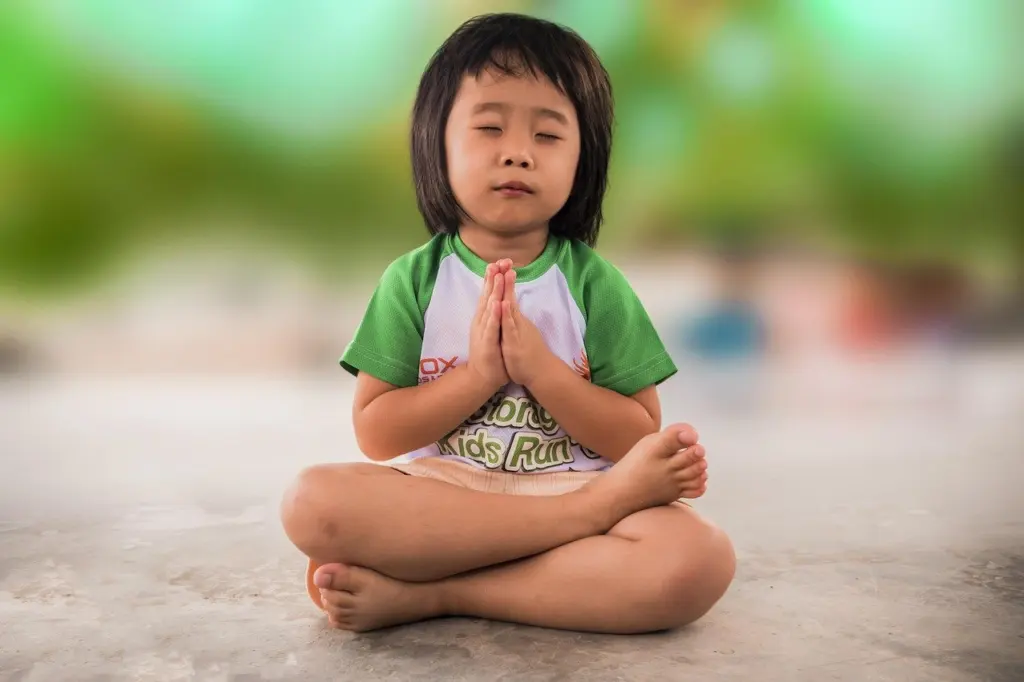
Choose a stable, solid and comfortable seat, as Mindful advises. On a chair, rest the bottoms of your feet on the floor. Set aside the time and a quiet space, and make sure you are in a comfortable position, free from distractions, ready to focus on the breath.
The script
Move through these stages in order. Spend more time on the breath and body stages than on settling or closing, and let the pace feel unhurried.
- Settle. “Close your eyes and take a moment to settle in. Let go of whatever pulled at your attention today. Let your body soften into the seat.”
- Find the breath. “Notice where you feel your breathing most easily: the air moving through your nose or mouth, or the rising and falling of your belly or chest. Rest your attention there.” Mindful notes that the physical sensation of breathing is always present, so you can use it as an anchor to the present moment.
- Shape the breath. “Inhale slowly through your nose… feel your lungs expand… hold for a moment… and exhale gently through your mouth.” Repeat this sequence for a while, following the cue pattern in this breathing meditation script. Then say: “Let your breathing return to its natural rhythm.”
- Widen to the body. “Move your attention slowly through your body, noticing whatever sensations are there. Where you find tension, let it soften.”
- Return to the breath. “Come back to the feeling of breathing. If your mind has wandered, that is normal. Notice it and come back.”
- Close. “Rest in the quiet for a moment. When you are ready, open your eyes slowly and take a moment before you move.”
When your mind wanders
Mind wandering is part of the practice, not a failure of it. When you notice that your attention has drifted, gently return it to the breath. You do not need to block your thoughts or judge yourself for having them. Noticing the drift and coming back is the skill you are building, and each return counts as a repetition.
Why the breath works as an anchor
The breath makes a practical anchor for beginners because it is available in every moment and requires no equipment. Mindful defines mindfulness as being fully present and aware of your experiences, including senses, thoughts and emotions, without being overly reactive or judgmental. Guided meditation applies that definition in a simple form: a voice directs your attention to one stable object, the breath, and invites you to notice what happens without reacting to it.
The same guide credits Jon Kabat-Zinn with creating Mindfulness-Based Stress Reduction (MBSR), a research-backed stress-reduction program. MBSR is the best-known structured route from this kind of practice into stress reduction. For a beginner, the useful point is that attention training is the common thread: breath focus and body awareness give a restless mind something definite to return to. Psych Central frames breath focus as lowering anxiety by training the mind, which is consistent with that reading.
Limits and adjustments
Breath-based practice is not right for everyone at every moment. Psych Central cautions that observing thoughts and focusing on the breath are not always suitable for people who have endured traumatic experiences. It also says trauma and mental health crises should be aided with the guidance of a professional. If sitting with your breath stirs up distress, stop, do not push through, and consider professional support before returning to it.
Where breath focus feels uncomfortable but you still want a calming routine, change the object of attention rather than abandoning practice. A body-based session such as 5-Minute Body Scan Meditation: Quick Practice To Reduce Stress & Reset Your Day – Lucidinside gives your attention a different focus. If stillness itself is the obstacle, Mindful Walking: How To Walk With Purpose, Calm, And Focus (2026 Guide) – Lucidinside offers a way to practise while moving.
Frequently asked questions
Do I need a cushion or special equipment?
No. Mindful says you do not need a meditation cushion, bench or any special equipment. You only need to set aside time and a space, and a stable, comfortable seat is enough.
Can I practise lying down?
Yes, for a body-focused session. Psych Central describes lying flat on the floor for a body scan, with an optional pillow under the head, lower back or feet, depending on what is most comfortable.
Is there a free guided audio I can try?
Mindful offers a guided audio version of its breath practice, which you start by pressing play. It also lists a free 3-minute guided mindfulness practice in the Mindful app.